|
Reports
You are here
Wab Kinew, the Indian Act and the Carney agenda
October 28, 2026
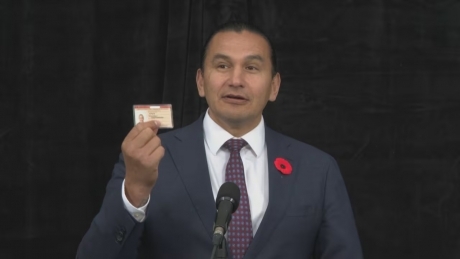
Manitoba Premier Wab Kinew - who is Anishinaabe from Onigaming First Nation - created a furor when he called for the Indian Act to be abolished during the First Ministers meetings with Assembly of First Nations (AFN) leaders on October 26. Mark Carney was quick to reflect that these comments, and the discussions inside the meetings, "gives me hope that we can finally move forward from this."
While the Indian Act is deeply problematic and has been used for countless attacks against Indigenous people, simply calling for it to be eliminated without an alternative is reckless. By raising this, Kinew is also distracting from current assaults on Indigenous Sovereignty that are much more immediate concerns.
But there is pushback. Celeste Smith, an Oneida woman, posted on Facebook "As racist as it is, the Act is also where many of the Crown's legal obligations to us are written down." These include that: collectively held reserve land can't be sold off; property and income on reserve is protected from certain taxes; status recognition is tied to health and education benefits; First Nations deal with Ottawa as nations, rather than as just another group of citizens. "Rip the Act out without something agreed to in its place, and those protections can disappear with it."
The context of Carney and the Premiers attacks on Indigenous sovereignty through fast-tracking pipeline and extraction projects over their lands through funding and legislation, is the worrying backdrop. They want to sow division amongst Indigenous nations through dangled money, loans for ownership in destructive projects and roadbuilding while they deny sovereignty and Land Back in any meaningful sense.
In 1969, the government of Pierre Trudeau put forward the "White Paper" - a plan to terminate First Nations in order to assimilate Indigenous peoples into Canadian society. The Red Powermovement, led by Indigenous youth, pushed back against this agenda with occupations, blockades and legal battles. This history resulted in real gains for Indigenous people, and continues to inspire Indigenous sovereignty movements to this day.
When Stephen Harper was Prime Minister he attempted to drop Canada's fiduciary and treaty obligations as well as environmental protections, sparking the Idle No More movement for justice and sovereignty.
And now there is renewed pushback against Carney's latest attacks.
A number of First Nations denounced the meetings between government leaders and the AFN, including Onion Lake Cree First Nation from Treaty 6 territory, Saddle Lake Cree Nation, Tsuut’ina Nation and Carry the Kettle First Nation. Treaty 8 Grand Chief Trevor Mercredi called it “an unacceptable process”.
Onion Lake Cree First Nation representatives stood outside the meetings alongside grassroots Indigenous peoples calling for Indigenous sovereignty.
Jeronimo Kataquapit from Attawapiskat First Nation and a youth organizer with Here We Standexplained why he was there: "These major projects cannot move forward without our free, prior and informed consent, and it's the youth that stand to be the most impacted by the decisions made today by all leadership, both Indigenous and non-Indigenous alike."
The racist Indian Act can only be defeated by the resolute action of Indigenous peoples fighting for Land Back, supported by workers and communities, against Carney's destructive corporate agenda.
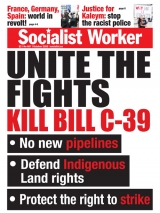
Unite the Fights - Kill Bill C-39.
Section:


Featured Event

Events
-
October 28, 2026VancouverOrganized by:snəw̓eyəɬ leləm̓ Langara International Socialists
-
November 1, 2026TkarantoOrganized by:International Socialists
-
November 1, 2026TorontoOrganized by:International Socialists
Recent Videos


Visit our YouTube Channel for more videos:

Visit our UStream Channel for live videos: